
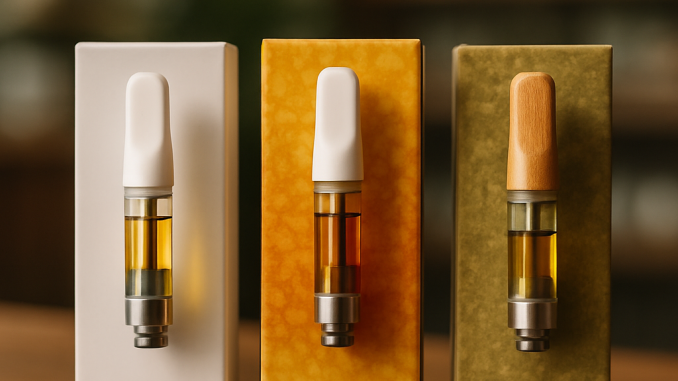
Choosing between distillate, live resin and rosin at the counter
Shoppers standing in front of a cartridge wall often see identical packaging with different liquid types and little on-shelf explanation. The product format—distillate, live resin or rosin—directly affects flavour, how much terpene character remains, and whether a cartridge will clog or perform as expected.
Pages such as “Cannabis Conversations | Starbird – Salem, MA Recreational Dispensary” highlight the need for clear buyer resources because dispensaries must translate extraction and terpene information into useful cues for customers. Knowing the production differences helps consumers filter product pages and packaging claims when deciding which format to buy.
Production processes and why they matter for flavour
Distillate is typically produced by refining crude extract to isolate cannabinoids, which removes most terpenes and pigments and yields a nearly flavourless, high-potency liquid. Live resin is made from flash-frozen plant material that preserves volatile terpenes, so the resulting liquid carries more of the original strain’s aroma profile.
Rosin is produced without solvents by applying heat and pressure to plant material or hash, preserving a tangible terpene presence while remaining solventless. For historical and technical background on solvent-based concentrates and broader hash-derived products, consult the hash oil Wikipedia entry via the linked overview to see how various extraction methods fit into the broader concentrate category: hash oil Wikipedia entry.
Terpene profiles: what to expect from each format
Because distillate is stripped of most terpenes, manufacturers often reintroduce isolated or botanical terpenes to create flavour profiles; the result can be consistent but less nuanced. Live resin retains a fuller terpene profile that reflects the strain’s original chemistry, delivering brighter, more complex flavour notes.
Rosin keeps much of the plant’s natural terpene constellation without solvent traces, which appeals to buyers seeking a more ‘whole-plant’ tasting experience. For shoppers prioritizing flavour authenticity, live resin and rosin commonly outperform plain distillate, though they may command different packaging and storage needs to preserve terpenes.
Cartridge compatibility, packaging cues and product pages
Not all cartridges handle thick or terpene-rich liquids equally; high-viscosity rosin or terpene-dense live resin can clog narrow-bore wicks or ceramic cores designed for low-viscosity distillate. Product pages and dispensary labels should indicate viscosity or recommended hardware so buyers can match liquid format to cartridge type.
Packaging cues such as viscosity descriptors, terpene percentages, and recommended draw style are practical signals for compatibility. When browsing an online menu or a shelf tag, look for brief notes on recommended hardware and terpene content—these reduce the trial-and-error of pairing liquid format with a device.
How format influences shelf life, storage and labelling
Terpene-rich liquids like live resin and rosin are more sensitive to heat, light and oxygen; they can lose aromatic character faster than distillate, which is comparatively stable. Retailers who list harvest date, extraction date or post-processing recommendations on product pages give buyers actionable information on expected freshness.
Labels that transparently list terpene profiles, extraction method, and storage guidance help consumers anticipate both flavour trajectory and performance in cartridges. If a product page omits extraction type or terpene data, assume a higher probability that distillate or a reconstituted flavour is being sold.
Quick comparison table
| Format | Production | Terpene retention |
|---|---|---|
| Distillate | Refined cannabinoid isolate | Low unless reintroduced |
| Live resin | Flash-frozen plant extraction | High, strain-specific |
| Rosin | Heat & pressure, solventless | Moderate to high, whole-plant |
Practical buying checklist for dispensary customers
When selecting cartridges, ask whether the liquid is distillate, live resin or rosin and whether the vendor lists terpene percentages. Use the packaging and product page to confirm recommended cartridge hardware and look for freshness indicators such as extraction or harvest date.
If you value consistent hits and long shelf life, distillate—often paired with added terpenes—may be preferable. If authentic strain aroma and a fuller profile are priorities, choose live resin or rosin and ensure your device matches the liquid’s viscosity to avoid clogging and uneven vaporisation.
How dispensaries can present clearer product pages
Dispensaries should adopt standardized labelling on product pages that separates extraction method, terpene totals, and recommended hardware into distinct fields. Simple, consistent cues reduce customer confusion and improve conversion by aligning buyer expectations with the product experience.
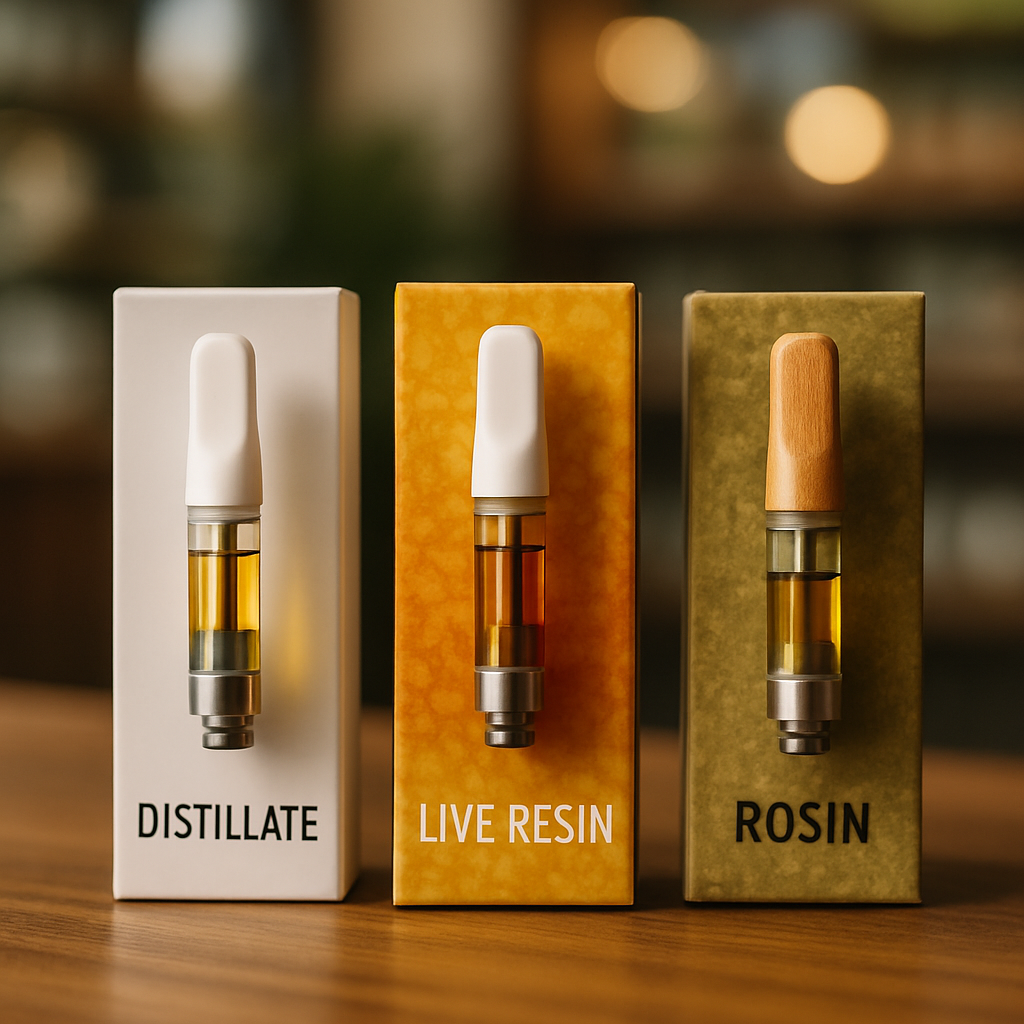
For editorial sites and buyer guides, emphasize actionable differences rather than marketing adjectives. Clear comparisons help shoppers at local stores like the Starbird listing referenced above interpret product labels and make purchases that match their flavour and device preferences.